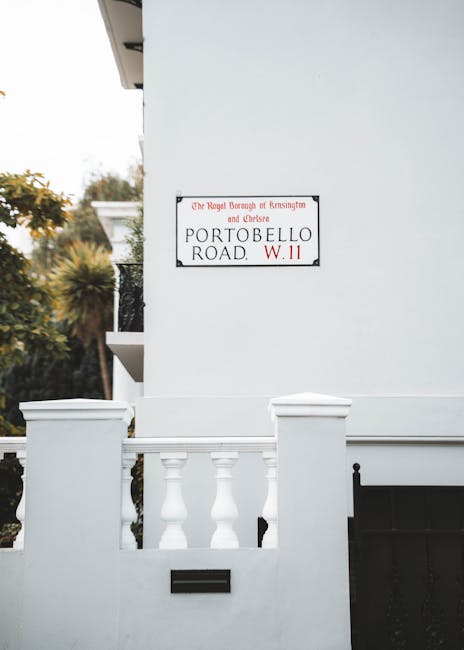
Portobello Road Gardeners Guide for Notting Hill W11
If you live near Portobello Road, you already know the gardening game is a little different here. Space is tighter, light can be patchy, and gardens often have to work hard all year round. A good Portobello Road gardeners guide for Notting Hill W11 should help you make sensible choices, not just pretty ones. That means understanding local conditions, planning for privacy, choosing plants that actually cope, and knowing when professional help makes life easier.
This guide is written for real Notting Hill gardens: compact front spaces, shared courtyards, raised beds, town garden patios, terraces, and those small but stubbornly characterful plots off the main road. We will cover how gardening services typically work in the area, what to expect, the decisions that matter, and the common pitfalls that quietly drain time and money. Truth be told, a lot of problems are avoidable with a bit of local know-how.
And yes, a neat garden can make a flat feel bigger. Funny how that works.
Table of Contents
- Why Portobello Road gardeners guide for Notting Hill W11 Matters
- How Portobello Road gardeners guide for Notting Hill W11 Works
- Key Benefits and Practical Advantages
- Who This Is For and When It Makes Sense
- Step-by-Step Guidance
- Expert Tips for Better Results
- Common Mistakes to Avoid
- Tools, Resources and Recommendations
- Law, Compliance, Standards, or Best Practice
- Options, Methods, or Comparison Table
- Case Study or Real-World Example
- Practical Checklist
- Conclusion
- Frequently Asked Questions
Why Portobello Road gardeners guide for Notting Hill W11 Matters
Gardening in W11 is not just about keeping things tidy. It is about making limited outdoor space feel calm, usable, and genuinely inviting. Around Portobello Road, gardens and courtyards often face a mix of challenges: overshadowing from neighbouring buildings, compact layouts, wind tunnels between properties, and soil that may be tired, shallow, or heavily used. If you pick the wrong approach, the result is usually the same: high effort, low reward.
A localised gardening approach matters because what thrives in a big suburban garden may struggle here. A border that looks ideal on paper can fail in a narrow north-facing strip. A lawn can become more chore than feature. Containers can dry out faster than you expect on warm days, especially in exposed spots. So the value of a Portobello Road gardeners guide for Notting Hill W11 is practical, not theoretical. It helps you choose what suits the space you actually have.
It also matters for lifestyle. Many Notting Hill residents want a garden that supports entertaining, quiet morning coffee, child-friendly play, pets, or just a bit of breathing room after the pace of London. A well-planned outdoor space can do all of that, but only if maintenance is matched to the way the space is used. To be fair, that is where a lot of people get caught out. They fall for the plants first and plan the maintenance later. Usually backwards.
For homeowners, landlords, and managing agents, consistent garden care can also protect property appearance and reduce long-term repair issues. Overgrown climbers, blocked drains from leaf build-up, unstable planters, and neglected trees can all become annoying fast. A sensible maintenance routine is not glamorous, but it saves hassle.
Expert summary: The best Notting Hill gardens are not the most elaborate ones. They are the ones planned around light, access, upkeep, and everyday use. That simple shift makes everything easier.
How Portobello Road gardeners guide for Notting Hill W11 Works
In practice, this kind of gardening service or guidance usually starts with a proper look at the space. A good gardener will notice more than plants. They will look at drainage, sun patterns, access, privacy, existing soil condition, and the general rhythm of the garden across seasons. In a compact W11 setting, those details decide almost everything.
The process often follows a few sensible stages:
- Initial assessment: looking at the layout, boundaries, light levels, and current condition of the garden.
- Prioritisation: deciding what needs attention first, whether that is cutting back, lifting old planting, feeding the soil, or improving structure.
- Plant and material choices: selecting plants, pots, compost, mulch, trellis, or edging that suit the site.
- Implementation: carrying out the work carefully so the garden feels intentional rather than patched together.
- Maintenance planning: agreeing what happens next, from routine visits to seasonal refreshes.
The word guide matters here because many readers are not only hiring help; they are trying to understand what good looks like. That is fair enough. If you know what the process should include, it is much easier to judge quality. You do not need a horticultural degree. You do need a few clear standards.
Professional gardening in this area also tends to be shaped by access. Narrow side passages, basement steps, shared entrances, and limited storage can all affect how work is done. A practical gardener plans for the site, not against it. That sounds obvious, but you would be surprised how often it gets missed.
If you are exploring broader support, it can help to review the range of garden services available in Notting Hill before deciding whether you need one-off help or a more regular arrangement.
Key Benefits and Practical Advantages
The value of good garden care in Portobello Road and the wider Notting Hill area shows up in daily life. Not in some abstract way, but in the way you use the space at 8am with a coffee, or late afternoon when the light softens across the terrace. The gains are practical and, frankly, noticeable.
- Better use of small spaces: smart planting and layout can make compact gardens feel bigger and more functional.
- Lower maintenance burden: the right plants and structures reduce constant firefighting.
- More privacy: climbers, screening planting, and careful height planning can soften overlooking without making the space feel boxed in.
- Improved seasonal interest: a well-planned garden gives something to look at in winter, spring, summer, and autumn.
- Healthier plants: matching plants to conditions is half the battle, really.
- Better presentation: useful if you are preparing a property for sale, letting, or simply want to enjoy it more.
- Less waste: thoughtful pruning, composting, and plant selection can reduce churn and replacement costs.
Another quiet advantage is confidence. Once the garden is in shape, decisions get easier. You know what to keep, what to cut, what to replace, and what to leave alone. That matters because many garden problems come from indecision, not neglect. A bit of everything becomes a lot of nothing.
There is also a comfort factor. A tidy, well-balanced outdoor area can change how a home feels, especially in dense London streets where outdoor privacy is precious. Even a small planted corner can soften noise and make the whole place feel more settled.
Who This Is For and When It Makes Sense
This guide is relevant if you are looking after a private garden, a mews courtyard, a shared patio, a roof terrace with planters, or a front garden that needs to look good without demanding constant attention. It is also useful for landlords and property managers who need reliable presentation between tenancies or throughout the year.
You will especially benefit if:
- your garden is small and difficult to maintain consistently;
- you have patchy shade, deep shade, or strong afternoon sun;
- you want planting that looks polished but does not need endless fuss;
- you are dealing with overgrown hedges, climbers, or pots that have become a bit of a jumble;
- you have recently moved in and need to understand what is already there;
- you want seasonal maintenance rather than a full redesign;
- you are trying to improve kerb appeal or sale value.
Sometimes the right moment is obvious. A garden has become too much to manage, or a key season has slipped and everything looks tired. Sometimes it is more subtle. You may just feel that the space is not working hard enough for the home. That little dissatisfaction tends to linger, doesn't it?
For some people, a one-off tidy and reset is enough. For others, the better answer is a monthly or seasonal maintenance plan. If you are unsure where you fit, it usually helps to talk through expectations and budget before making any promises to yourself. Garden promises are easy. Garden follow-through, less so.
When you are ready to compare options and likely costs, a dedicated pricing and quotes page can help you think clearly about the level of service you need.
Step-by-Step Guidance
Here is a practical way to approach a Portobello Road garden without overcomplicating it. You do not need to do everything at once. In fact, doing less but doing it properly is often the better move.
1. Start with a realistic view of the space
Take note of light, shade, wind, drainage, access, and where people actually walk. A beautiful plan that blocks the bin store or makes the patio awkward to use is not really a win.
2. Decide what the space is for
Is it mainly for sitting, entertaining, growing, children, pets, or visual impact? If you try to make a tiny garden do five jobs badly, it will feel cramped. Pick the main role and let that guide the rest.
3. Remove or reduce the obvious problem areas
This may include spent annuals, congested shrubs, failing pots, damaged supports, or anything diseased or beyond recovery. Clearing out clutter often reveals the real shape of the garden underneath.
4. Improve the soil and containers
In London gardens, soil improvement is often more valuable than dramatic planting. Fresh compost, mulch, and sensible feeding can transform tired beds. Containers need the same care, especially in sunny courtyards where they dry out quickly.
5. Choose the right plants for the conditions
Match the plant to the site, not the other way round. Shade-loving plants should not be forced into hot exposed positions. Tall, thirsty plants should not be left in shallow pots and then blamed for failing. Happens all the time.
6. Build structure before decoration
Use edging, climbing supports, repeated planting, or a few strong containers to create order. Once the structure is right, the garden feels intentional even if it is modest in size.
7. Set a maintenance rhythm
Plan what happens in spring, summer, autumn, and winter. The work may be light in some seasons and more involved in others, but a rhythm keeps the garden from slipping back into chaos.
8. Review after a few weeks
Small gardens tell you quickly what works. If something is too wet, too dry, too big, or just visually heavy, adjust it. Gardening is not a one-and-done thing. A little patience helps.
If you want support with routine care rather than a full rebuild, the service overview is a useful place to understand what ongoing help may look like.
Expert Tips for Better Results
There are a few local habits that tend to make a noticeable difference in Notting Hill gardens. These are not flashy, but they work.
- Use repetition: repeating one or two plant types creates calm in a small space.
- Think vertically: walls, fences, and trellises are valuable real estate in compact gardens.
- Choose strong containers: pots should suit the scale of the space and withstand British weather without looking flimsy.
- Mulch regularly: it helps retain moisture and gives beds a more finished look.
- Prune for shape, not just size: a plant that is cut back badly may survive, but it rarely looks elegant afterwards.
- Keep one focal point: a bench, olive tree, sculpture, or raised planter can anchor the whole design.
A small but important tip: photograph the garden at different times of day. Morning light and late afternoon light can reveal things you miss when standing in the middle of it. The dark corner that looked fine at noon may be where everything sulks. Plants are honest in that way.
And here is a simple rule worth remembering: if maintenance feels too hard, the design is probably too ambitious. Not always, but often enough.
Common Mistakes to Avoid
Most disappointing gardens are not bad gardens. They are just a collection of small mistakes that were never corrected. In W11, these are the ones that show up most often:
- Choosing plants for looks alone. A plant may be lovely in a magazine and still be a poor fit for a shady, narrow courtyard.
- Overcrowding. New planting often looks sparse at first, so people add too much. A few months later, everything is competing for space.
- Ignoring drainage. Puddled paving or waterlogged beds can undermine even good planting.
- Using too many different materials. Too many finishes, colours, and pot styles can make a small garden look busy.
- Skipping seasonal maintenance. It is easy to leave pruning until "next weekend". Then next weekend becomes next season.
- Underestimating access. Big materials and awkward tools can be a headache on narrow London properties.
- Forgetting the view from inside. A garden should look good from the kitchen or sitting room too, not only from the patio.
One of the most common issues is trying to make a small garden feel grand by adding more. More plants, more pots, more features, more effort. Usually the opposite works better. Edit first. Add later if needed.
Another mistake? Leaving maintenance plans vague. If nobody knows who is watering, deadheading, pruning, or checking containers, the garden drifts. Very human, very normal, but still avoidable.
Tools, Resources and Recommendations
You do not need a shed full of specialist kit to keep a Portobello Road garden in shape, but the right basics make a big difference. For homeowners and caretakers, the practical toolset is usually modest.
| Tool or Resource | Why It Helps | Best For |
|---|---|---|
| Sekateurs | Clean pruning for small branches, deadheading, and shaping | Routine maintenance and light seasonal work |
| Spade and hand trowel | Planting, lifting, and soil improvement | Beds, borders, and containers |
| Watering can or hose with care | Targeted watering without overdoing it | Containers, new planting, dry spells |
| Mulch and compost | Improves soil structure and moisture retention | Most London gardens |
| Gloves and kneeler | Comfort and protection during regular work | Hands-on gardening |
| Plant labels or a simple note system | Keeps track of what was planted where | Mixed planting and seasonal updates |
For service users, the best resource is often a clear conversation about the garden's priorities. Is it presentation, privacy, low upkeep, planting interest, or all four? Knowing the answer saves time later. It also makes it easier to choose the right level of support, from a tidy-up to ongoing care.
If you are comparing service providers, pay attention to how they explain their approach. Do they ask questions about light, watering, access, and usage? Do they discuss long-term maintenance, not just the immediate job? Those are good signs. A bit of common sense goes a long way.
For a more practical look at the team, you can also visit the about us page to understand the local focus behind the service.
Law, Compliance, Standards, or Best Practice
Most garden maintenance in Notting Hill is straightforward, but there are still standards worth respecting. Good practice matters because gardens affect neighbouring properties, shared access routes, and safety on site.
In a residential London setting, it is sensible to consider the following:
- Waste handling: garden waste should be managed responsibly, with recycling and disposal handled carefully where possible.
- Access and neighbour consideration: work should avoid unnecessary obstruction, damage, or excessive noise at unreasonable times.
- Safe use of tools and equipment: sharp tools, ladders, and powered equipment require proper care and judgement.
- Insurance and risk awareness: for any paid garden work, it is wise to check that the provider takes safety and liability seriously.
- Property boundaries: hedge and tree work should respect ownership boundaries and shared arrangements.
It is also best practice for a gardening service to be transparent about how it handles safety, payments, complaints, and data. That may not sound exciting, but it tells you a lot about professionalism. A tidy quote is nice. A clear process is better.
Where relevant, many customers like to review the company's health and safety policy and insurance and safety information before booking. That is just sensible, especially for work involving access, steps, or heavier materials.
For sustainability-minded households, it may also be worth looking at recycling and sustainability practices. Small changes in how green waste, compost, and materials are handled can make a real difference over time.
Options, Methods, or Comparison Table
Choosing the right approach often comes down to what your garden needs most right now. A light refresh is not the same as a full planting rethink, and a regular maintenance schedule is different again. Here is a simple comparison to make that clearer.
| Approach | Best For | Main Benefit | Watch Out For |
|---|---|---|---|
| One-off tidy-up | Overgrown or neglected gardens | Fast visual improvement | May not solve underlying plant or layout issues |
| Seasonal maintenance | Gardens that change through the year | Keeps the space under control | Requires regular scheduling |
| Container refresh | Patios, terraces, and small outdoor spaces | Flexible and high-impact | Needs watering and occasional replacement |
| Soft landscaping update | Spaces needing structure and planting balance | Better long-term form | Takes more planning upfront |
| Full garden redesign | Outdated or awkward layouts | Transforms how the space works | Usually more time and budget intensive |
If you are torn between two options, ask yourself a simple question: do I need the garden to look better next week, or work better for the next few years? The answer usually points you in the right direction.
Case Study or Real-World Example
Here is a realistic example from the kind of space often found around Portobello Road. A client had a small rear garden attached to a Victorian property, with a shaded corner, two large containers, a tired evergreen shrub, and a patio that looked smaller than it was because everything felt crowded. Nothing was broken, just... a bit off.
The first step was not planting. It was clearing. The old containers were checked, the shrub was pruned back carefully, and the beds were improved with fresh compost. A simple trellis was added to introduce height on one wall, and the planting palette was reduced to a smaller number of reliable species with a mix of leaf shapes rather than lots of colours competing for attention.
The result was not dramatic in the flashy sense. No fireworks. But the garden suddenly felt calmer and more spacious. The owner could see the paving properly again, the seating area made sense, and the plants began to look intentional rather than accidental. By late spring, the space felt lived-in and welcoming, with enough softness to offset the hard edges of the architecture.
That is often the goal in Notting Hill: not maximalism, but balance. A garden that fits the building, the light, and the way people actually use it.
Practical Checklist
Use this checklist before starting a garden refresh or booking support.
- Assess the light: note sunny, shaded, and mixed areas.
- Check access: think about side passages, steps, bins, and storage.
- Define the purpose: relaxing, entertaining, privacy, planting, or low maintenance.
- Identify problem areas: poor drainage, congestion, dead plants, weak pots, or bare patches.
- Decide what to keep: mature planting, hard landscaping, useful containers, existing structure.
- Set a budget range: one-off tidy, seasonal maintenance, or larger improvement.
- Think about waste removal: especially if the garden has become cluttered.
- Review safety needs: ladders, tools, slippery surfaces, or awkward access.
- Ask about sustainability: composting, recycling, and plant choices with lower waste.
- Plan the next visit: even a good garden needs follow-up.
If you can tick most of those off, you are in a much better position to get results that last.
Conclusion
A well-kept garden near Portobello Road does more than look neat. It makes daily life easier, more pleasant, and often more peaceful. In a busy part of London, that matters. Small spaces need clarity, not clutter. They need the right plants, the right structure, and a maintenance plan that fits real life rather than an idealised version of it.
The best approach is usually the simplest one: start with what the garden can realistically be, then build from there. Decide what matters most, remove the distractions, and let the space breathe a little. That is where the good stuff happens.
If you are comparing services, checking standards, or ready to move from thinking to doing, take a look at the practical details on pricing and quotes and then follow up through the contact page when you are ready.
Get a free quote today and see how much you can save.
With the right plan, even a modest W11 garden can feel like a small daily luxury. And honestly, that is a lovely thing to come home to.
Frequently Asked Questions
What does a Portobello Road gardeners guide for Notting Hill W11 actually cover?
It covers the practical side of gardening in a local urban setting: light, layout, maintenance, plant choice, access, and the kinds of services that make sense for compact Notting Hill gardens.
Is gardening in Notting Hill W11 different from gardening elsewhere in London?
Yes, often it is. Many spaces are smaller, more shaded, and more visually important from inside the home. That means design and maintenance need to be more deliberate.
Do small gardens need a full redesign to look good?
Not always. A lot of small gardens improve dramatically with better structure, pruning, soil improvement, and a simpler planting scheme. Sometimes less is more. Annoyingly true, but true.
How often should a garden near Portobello Road be maintained?
It depends on the size and planting style. Some gardens only need seasonal attention, while others benefit from monthly or more regular maintenance to stay tidy and healthy.
What are the best plants for a shady Notting Hill garden?
The best plants are those suited to the exact shade conditions, soil, and moisture levels of the space. A gardener should assess the site before recommending plants, because shade is not all the same.
Can a small courtyard garden still feel private?
Yes. Privacy can often be improved with climbers, trellis, screening planting, and careful use of height. The trick is to soften views without making the space feel closed in.
What is the difference between a tidy-up and ongoing maintenance?
A tidy-up is usually a one-off reset, often after neglect or seasonal overgrowth. Ongoing maintenance keeps the garden in good shape through regular visits and planned care.
How do I know if I need a gardener or a full landscaping project?
If the layout works but the garden looks tired, a gardener may be enough. If the space itself is awkward, dated, or poorly functioning, a larger landscaping approach may make more sense.
Are there safety or insurance checks I should ask about?
Yes. For paid garden work, it is sensible to ask about insurance, safe working practices, and how equipment and access issues are managed. Those are basic trust indicators.
Can garden waste be removed responsibly?
Usually yes, depending on the service arrangement. It is worth asking how green waste, cuttings, and removed material will be handled, especially if sustainability matters to you.
How much should I prepare before asking for a quote?
Have a rough idea of the garden size, what needs doing, and whether you want a one-off visit or ongoing care. The clearer the brief, the easier it is to get a useful quote.
What if I only need help with part of the garden?
That is very common. Many people only need help with one section, such as containers, pruning, hedging, or seasonal refreshes. A flexible service should be able to work with that.