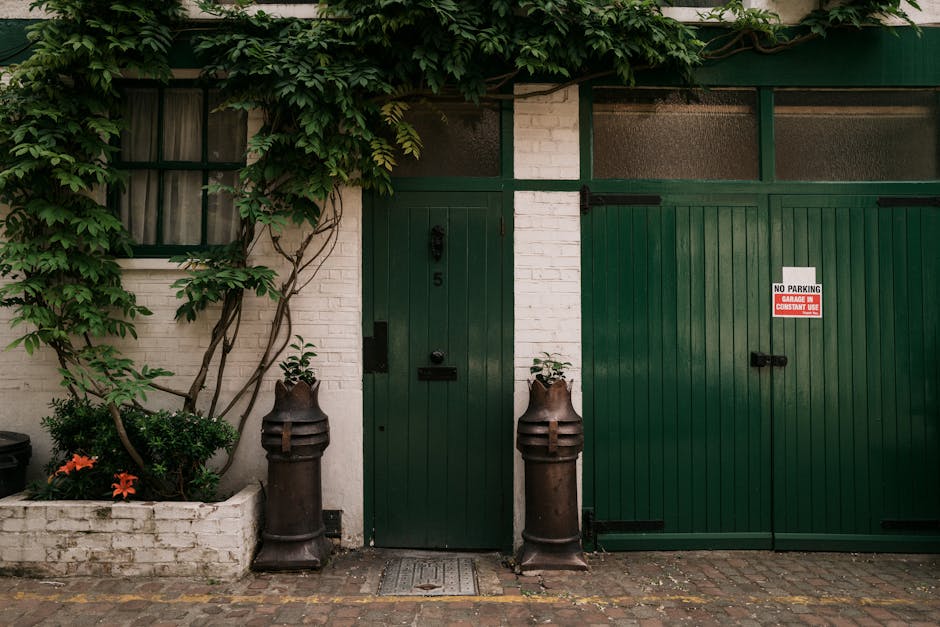
Notting Hill Gate station garden service access and logistics: a practical guide for smooth, low-stress garden work
If you are arranging garden work near Notting Hill Gate station, the difference between a smooth day and a frustrating one is usually logistics. Not the glamorous bit, admittedly. But it is the bit that decides whether a team can arrive on time, unload safely, work efficiently, and leave the place tidy without causing headaches for neighbours, residents, or building managers.
Notting Hill is busy, the roads can feel tight, and access around the station area is rarely something you want to leave to chance. That is why Notting Hill Gate station garden service access and logistics matters so much. It affects everything from vehicle parking and equipment handling to waste removal, timing, and how much disruption the job creates. In this guide, we will walk through what it means in practical terms, how it works, and what to check before booking any garden service.
By the end, you will have a clearer picture of how to plan garden maintenance, clearance, landscaping, hedge trimming, or lawn care in a way that feels organised rather than chaotic. And honestly, that is worth a lot in a part of London where a poorly timed van arrival can turn into a small drama very quickly.
Why Notting Hill Gate station garden service access and logistics Matters
Garden work sounds simple from the outside. Someone turns up, cuts back the hedge, clears the clippings, maybe refreshes the planting, and leaves. In reality, the quality of the access plan can make a big difference to the result. Around Notting Hill Gate station, that is especially true because the area combines busy transport links, narrow streets, mixed-use buildings, limited loading space, and the usual London pressure on time.
Good access planning matters for a few very practical reasons:
- It protects the schedule. If a van cannot stop near the property, jobs take longer and can be harder to complete within the planned window.
- It reduces disruption. Neighbours, tenants, shopfronts, and pedestrians all benefit when work is managed neatly and without excessive blocking.
- It improves safety. Carrying heavy bags, tools, or waste through awkward access points increases the chance of trips, strains, or damaged surfaces.
- It controls cost. Extra labour time, repeat visits, or missed waste collection can all add avoidable expense.
- It helps quality. Crews working under pressure often have less room to sort, stack, sweep, and finish to a high standard. Not ideal.
There is also a subtle point that people miss: logistics affect the type of service you should book. A light tidy-up with hand tools may be straightforward. A major garden clearance or a landscape project with materials, gravel, timber, or turf is a different animal altogether.
For larger or more complex jobs, it can help to review the broader services overview before you lock in the plan. That makes it easier to match the task to the right team and avoid assuming one visit will cover everything.
Expert summary: near Notting Hill Gate station, the best garden jobs are usually the ones that are planned like a small operation, not treated like a casual drop-in. Access, timing, waste handling, and neighbour awareness all matter.
How Notting Hill Gate station garden service access and logistics Works
At ground level, the process is quite straightforward. The service provider assesses the property, identifies how people and materials will get in and out, and then plans the work around the site's realities. The reality might be a basement garden, a raised terrace, a shared entrance, a rear mews access point, or a front path that is narrow enough to make a wheelbarrow feel oversized. You get the idea.
In practice, access and logistics usually include these stages:
1. Site review before the visit
The first job is understanding the site. A proper assessment will look at access points, gate widths, stairways, communal entrances, surface protection needs, parking restrictions, and where waste can be loaded. If the garden is behind a flat, the team may also need to factor in walking distance from the van to the working area.
2. Timing the visit carefully
In a busy part of London, timing is not just about convenience. It can determine whether the crew can load in without blocking an entrance or arriving during the most awkward traffic period. Early starts may suit some properties, while others are better served by a mid-morning slot after school runs or commuter peaks have eased.
3. Choosing the right equipment
Some jobs call for compact, hand-carried tools. Others need sacks, tarps, cutter guards, protective sheets, barrows, or transport tubs. For example, a simple lawn cut may need little more than mowers and edging tools, while a clearance may require more robust carrying and sorting equipment. If you are arranging routine care, the garden maintenance page is a sensible place to understand how regular visits are typically structured.
4. Loading and unloading without friction
The best teams think a few steps ahead. Where will cuttings be piled? Can materials be kept out of the way? Is there a sensible route for moving waste bags without trailing debris through common areas? These are small details, but they save time and help preserve the property.
5. Waste removal and tidy-down
Garden service logistics is not only about getting in. It is also about getting out cleanly. Green waste, packaging, timber offcuts, and other debris need a plan. If a garden has been badly overgrown, or there is a one-off clear-out before renovation, the team may need to arrange a more substantial removal process. That is where garden clearance becomes especially relevant.
For larger jobs, the logistics can feel almost like moving house, just with more soil on the boots. Not glamorous, but effective planning is what keeps the whole thing calm.
Key Benefits and Practical Advantages
When access and logistics are handled well, the benefits are not abstract. You notice them in the day-to-day experience of the job.
- Less disruption to residents and neighbours. A tidy route in and out keeps common spaces calmer.
- Shorter job times. A clear plan means fewer pauses, less backtracking, and better use of the crew's time.
- Cleaner results. When tools and waste move efficiently, finishing work is easier and the garden ends up looking better.
- Lower risk of damage. Careful routing helps protect paving, walls, fences, railings, lifts, and internal flooring where applicable.
- More accurate quoting. A supplier who understands the access conditions can price the job more realistically.
- Better service match. You are less likely to overbook or underbook the work if logistics are properly reviewed first.
There is another benefit that is easy to overlook: peace of mind. If you know the team has already thought about access, parking, and waste, you do not spend the whole day wondering whether they will turn up with the right setup. That might sound small, but it makes a difference.
If your project involves design changes or more structural elements, you may also want to look at landscape gardening or landscaping. Those services usually need even more precise planning because materials, sequencing, and site protection all come into play at once.
Who This Is For and When It Makes Sense
This topic is relevant to more people than you might think. It is not just for homeowners with a back garden tucked away behind a terrace. It matters for landlords, managing agents, tenants, commercial premises, and anyone who has to coordinate maintenance around a property close to the station.
You are likely to need a clear access and logistics plan if you are:
- booking regular garden maintenance for a flat or townhouse
- preparing a property for letting, sale, or inspection
- dealing with an overgrown garden that has been left too long
- organising hedge cutting or pruning in a shared or restricted space
- planning a decking refresh or larger outdoor improvement
- managing a site with limited parking or loading access
- trying to minimise noise and disruption for neighbours
It is also useful if you have mobility concerns or building-specific access limitations. A short flight of steps, a tight side passage, or a shared hallway can change the whole shape of the job. If you need more information about the team behind the service, the about us page is a helpful starting point.
To be fair, some people only realise access matters after the first awkward attempt. The hedge is ready, the van is nowhere near the front, and suddenly everyone is improvising. Better to think it through once, properly.
Step-by-Step Guidance for Planning the Job
If you are preparing for garden work near Notting Hill Gate station, use this practical sequence. It keeps things ordered and avoids the usual last-minute panic.
Step 1: Define the exact scope
Start by pinning down what the job actually includes. Is it lawn cutting only? Hedge trimming and green waste removal? A one-off clearance? Minor planting and border reshaping? The clearer the scope, the better the logistics plan will be.
Step 2: Identify the access route
Map the route from street to garden. Think about gates, stairs, side returns, basement access, communal corridors, and any points where carrying will be awkward. If you can, walk the route yourself. You will notice snags immediately when you do that-low walls, stuck latches, tight turns, the whole lot.
Step 3: Check parking and stopping options
Near a station, stopping space can be limited and traffic can be unpredictable. The service provider should know how they will arrive, where they can pause, and whether they need to unload quickly before moving the vehicle. This is the sort of thing that seems dull until it goes wrong.
Step 4: Share property-specific details early
Tell the team about locked gates, resident permits, concierge arrangements, lift access, neighbour sensitivities, and any time windows they need to respect. If the job involves regular mowing or trimming, the lawn mowing and hedge trimming services show the kind of recurring tasks that benefit from predictable access.
Step 5: Plan waste handling
Decide where green waste will be staged and how it will be removed. If bags must pass through a shared area, protect floors and keep the route clear. If the volume is significant, ask whether the service is prepared to manage multiple loads or needs a fuller clearance plan.
Step 6: Protect surfaces and boundaries
Ask how paving, walls, decking, and edging will be protected. On delicate sites, a few extra sheets or mats can prevent scuffs and muddy marks. If the job includes timber features or raised platforms, decking services may be part of the wider conversation.
Step 7: Confirm the finish standard
Do you want a quick tidy, or a full clear-up including swept paths, bagged waste, and a final walk-through? Clarifying the finish standard matters. Otherwise one side may expect a show-garden result while the other is thinking, "job done, we're out."
Expert Tips for Better Results
Here are the kinds of tips that save time in the real world, not just on paper.
- Take photos before the job. A few clear images of access points, side passages, and the garden layout help a lot.
- Measure the awkward bits. Gate width, stair width, and the narrowest turning point are often more useful than a general description.
- Choose off-peak time slots where possible. Around the station area, a calmer arrival window can make the whole visit smoother.
- Bundle related tasks together. If the team is already on site, it may be more efficient to combine mowing, trimming, and light clearance in one visit.
- Leave one clear route. Even if the rest of the property is busy, one uncrowded route helps everyone move safely.
- Keep communication simple. A concise message about keys, contact names, and access codes is usually enough. No need for a novel.
- Think about neighbours early. A quick heads-up can reduce complaints, especially where work starts early or involves noisy equipment.
There is also a value in choosing maintenance over rescue work. In many cases, a regular plan is easier to manage than occasional catch-up jobs. That is one reason people often move from ad hoc cuts to a more consistent maintenance arrangement. Small, steady visits are usually easier on the site and on your wallet.
And yes, sometimes the best tip is simply this: do not leave the access note until the morning of the job. It happens. It really does. Usually at the exact moment everyone is already on the road.
Common Mistakes to Avoid
Most access problems are preventable. The issue is usually not bad luck; it is missing detail.
- Assuming the van can park right outside. Around Notting Hill Gate station, that is often not a safe assumption.
- Underestimating carrying distances. Even 20 or 30 metres can feel long when you are moving sacks, branches, or tools repeatedly.
- Not checking shared access rules. A communal entrance or courtyard may have restrictions that affect timings or routes.
- Forgetting waste removal logistics. A garden can look tidy at the end of the work and still fail the day if waste cannot leave smoothly.
- Booking the wrong level of service. A quick trim is not the same as a clearance job, and a planting refresh is not the same as a redesign.
- Failing to mention hazards. Loose paving, hidden steps, low lighting, broken locks, or pets should all be flagged.
- Not confirming who will open the site. A delayed handover can waste a surprising amount of time.
A small but important point: if you are unsure whether a job is mainly upkeep or a bigger refresh, get clarity before the visit. The wrong assumption at the start tends to echo through the rest of the day.
Tools, Resources and Recommendations
You do not need a complicated toolkit to manage garden access well, but a few simple resources make the process much easier.
Useful things to have ready
- a few clear photos of the entrance, gate, and garden route
- basic measurements for gates, side returns, and staircases
- the site address and best contact details
- notes on parking or loading restrictions
- any instructions for keys, codes, or concierge handover
- a rough idea of waste volume if clearance is involved
Helpful service areas to review
If your job is part of a broader outdoor project, it can help to compare what type of support you need. For example, garden clearance is suited to heavier removal work, while tree lopping and removal is more specific and usually needs extra care around access, waste, and safety. It is not uncommon for one property to need both over time.
For budgeting and planning, it is also worth reading the available information on pricing and quotes. Clear pricing conversations are especially useful when access is limited, because the time taken to move equipment can affect the overall structure of the job.
And if sustainability matters to you, take a look at recycling and sustainability. Garden waste, reusable materials, and responsible disposal all sit naturally alongside good logistics. Green practice and tidy practice tend to go hand in hand, really.
Law, Compliance, Standards and Best Practice
With garden service logistics, the most important point is not to overstate the legal side. Many jobs are straightforward domestic or commercial maintenance tasks, but they still need sensible care, safe handling, and respect for property rules.
In the UK, good practice typically includes the following:
- Health and safety awareness. Tools, lifting, slips, trip hazards, and sharp debris should be managed properly.
- Insurance and risk control. A service provider should be prepared to work carefully and discuss how they manage property and public-facing risks.
- Site-specific planning. Shared access, narrow entrances, and transport constraints should be considered before work starts.
- Clear terms. Scope, timing, payment, and responsibilities should be agreed in advance.
- Respect for neighbouring properties. Noise, dust, and temporary obstruction should be kept as low as reasonably possible.
You can also review the company's health and safety policy and insurance and safety information if you want a better sense of how these issues are handled in practice. For broader trust and operational standards, the terms and conditions are worth reading too.
If the property has accessibility considerations, the accessibility statement may also be relevant. Not every property is simple to move around, and a thoughtful provider should take that seriously rather than brushing past it.
Options, Methods and a Comparison Table
Different sites call for different approaches. Here is a simple comparison to help you think about the logistics before you book.
| Approach | Best for | Strengths | Limitations |
|---|---|---|---|
| Light hand-tool visit | Small maintenance jobs, tidy-ups, edge work | Quiet, flexible, easy to move through tight access | Not suited to heavy waste or bigger jobs |
| Routine scheduled maintenance | Regular lawns, hedges, borders, seasonal touch-ups | Predictable, efficient, easier to plan around access | Requires consistency and ongoing coordination |
| One-off clearance visit | Overgrown gardens, end-of-tenancy, pre-sale clean-up | Deals with large volumes quickly | More labour, more waste handling, more site planning |
| Landscape or redesign project | Structural changes, planting schemes, outdoor upgrades | Can transform the space materially | Needs the most logistics, sequencing, and protection |
As a rule of thumb, the more material you are moving, the more important access becomes. Simple enough. But easy to forget when you are focused on the visible part of the garden rather than the route in and out.
Case Study or Real-World Example
Here is a realistic example based on the kind of job that comes up often around dense London station areas.
A small rear garden behind a period property near Notting Hill Gate station had become cluttered after a few seasons of missed maintenance. The homeowner wanted the space made usable again, but the only practical access was through a side passage and a shared entrance. The garden itself was not huge, yet the logistics were awkward enough that the access plan mattered as much as the pruning.
The best outcome came from a simple approach:
- the client sent photos of the route in advance
- the team checked the narrowest point before arriving
- the work was split into sections so waste did not build up in the passage
- protective covering was used where bags passed through the communal area
- the final sweep-down was included in the handover
The result was not dramatic in a flashy way. It was just calm, efficient, and tidy. Which, in this kind of setting, is exactly what you want. No fuss, no unnecessary noise, no awkward back-and-forth with neighbours. The garden looked better, the access routes stayed clean, and the client did not have to chase loose ends afterwards.
That is the point, really. Good logistics do not call attention to themselves. They just make the whole thing work.
Practical Checklist
Use this before the visit, especially if the property sits close to the station or has any awkward access points.
- Have you confirmed the exact scope of work?
- Have you shared photos of the entrance and garden route?
- Are gate widths, stair widths, and tight corners known?
- Has parking or stopping access been discussed?
- Are there keys, codes, concierge rules, or resident instructions?
- Has the waste removal plan been agreed?
- Will the team need surface protection or floor coverings?
- Have neighbours or building management been informed if needed?
- Is the timing suitable for the building and the local traffic flow?
- Do you understand the expected finish standard?
- Have you reviewed pricing, safety, and terms where relevant?
If you can answer yes to most of those, the job is probably in good shape. If not, pause and tidy up the plan first. A ten-minute check is usually cheaper than a half-day of confusion.
Conclusion
Notting Hill Gate station garden service access and logistics is one of those topics that feels technical at first, but it is really about common sense done properly. If the route is clear, the timing is realistic, the waste plan is sorted, and the site-specific details are shared early, the whole job becomes easier for everyone involved.
That is true whether you are booking a light maintenance visit, a hedge trim, a full clearance, or a more ambitious landscape project. The visible work matters, of course. But the invisible planning is what makes it feel smooth, professional, and worth the effort.
Get a free quote today and see how much you can save.
And if you take one thing from this guide, let it be this: the best garden jobs near busy transport hubs are rarely the fastest to plan, but they are almost always the easiest to live with afterwards. That is a good trade.
Frequently Asked Questions
What does garden service access and logistics mean near Notting Hill Gate station?
It refers to the practical planning needed to get a gardening team, their tools, and any waste in and out of a property safely and efficiently. Near the station, this often includes parking, loading, narrow entrances, shared access, and timing.
Why is access such a big issue in this part of London?
Because the area is busy, space is limited, and properties often have awkward layouts. Even a small garden can become logistically tricky if the route in is tight or the street is hard to stop on.
What information should I provide before booking a garden service?
Share photos, gate measurements, parking restrictions, any access codes, the scope of work, and whether waste needs to be removed. The more accurate the detail, the better the plan.
Can a garden be maintained if the only access is through a shared entrance?
Usually yes, but it needs careful planning. The service provider should know the route, how to protect common areas, and whether timing needs to be coordinated with neighbours or building management.
Does poor access make a garden job more expensive?
It can, because awkward access may increase labour time or require extra handling. That does not mean the job is unaffordable; it just means the quote should reflect the reality on site.
What is the difference between garden maintenance and garden clearance?
Maintenance is regular upkeep such as mowing, trimming, and light tidying. Clearance is usually a one-off or heavier job involving overgrowth, waste removal, and a more substantial reset. The logistics for clearance are usually more involved.
How do I know whether I need landscaping instead of maintenance?
If you are changing the layout, adding new features, replacing surfaces, or reshaping the space, landscaping is more appropriate. If you mainly need the garden kept neat, maintenance is the better fit.
Should I worry about neighbours when arranging garden work near the station?
It is sensible to think about them, yes. Noise, access through shared areas, and temporary obstruction can all affect nearby residents. A polite heads-up can prevent avoidable friction.
What happens if parking is impossible outside the property?
The team may need to unload nearby and carry equipment in, or arrange a different arrival plan. Good logistics do not rely on perfect parking; they adapt to what the street allows.
How can I make the visit go more smoothly on the day?
Have access ready, keep the route clear, confirm the contact person, and make sure any special instructions are shared in advance. A little preparation goes a long way, especially in a busy area.
Do garden service teams need special safety planning for tight access?
Yes, they should. Tight access can increase the risk of trips, slips, and damage to property, so careful carrying, route planning, and surface protection are part of good practice.
Where can I learn more about the service provider before booking?
You can review the about us page, check the available services overview, and read the terms and conditions alongside the safety and pricing information. That usually gives a solid picture before you move ahead.